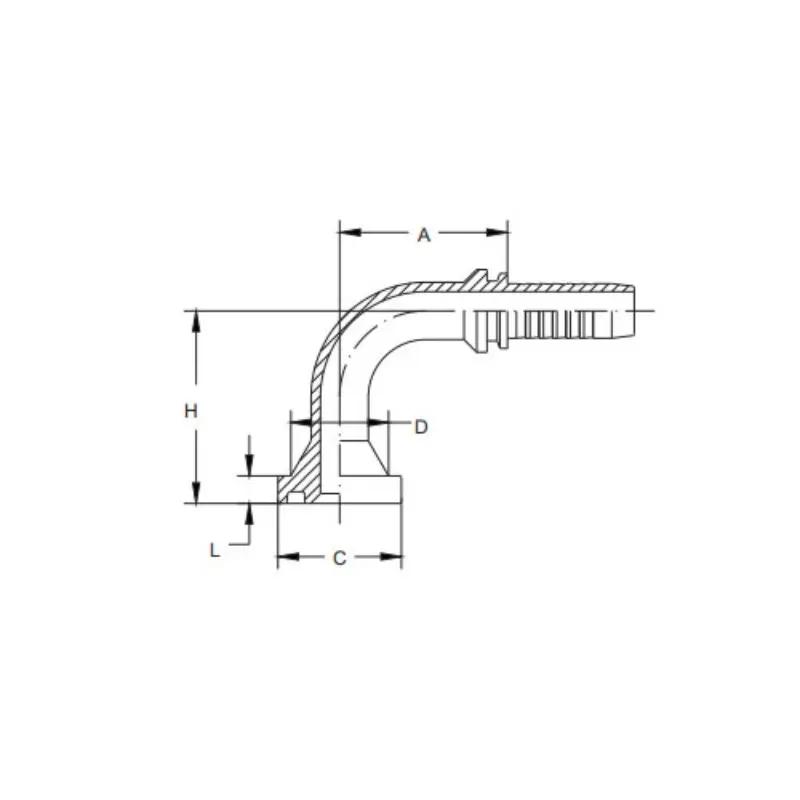
In the field of industrial fluid transmission, Hydraulic Hose Fitting serves as a key connecting component between hydraulic hoses and equipment pipelines, undertaking the important function of medium transmission and pipeline sealing. The performance of this component is closely linked to the failure rate, maintenance cycle and operational safety of the entire hydraulic system, making it an indispensable basic component in engineering machinery, aerospace, marine equipment and industrial automation production lines.
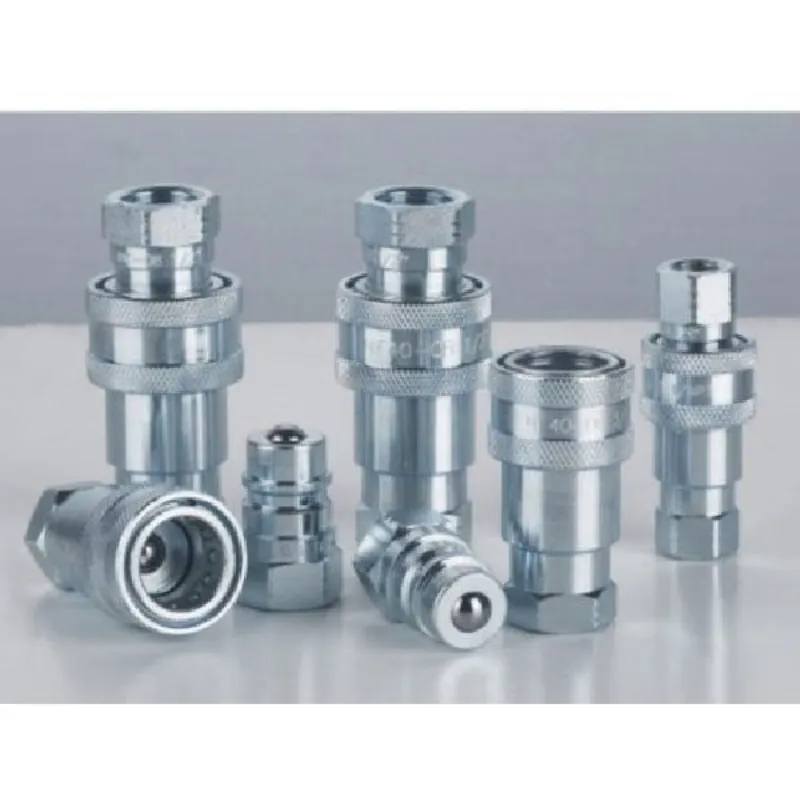
Among the connection solutions used in fluid power applications, Hydraulic Quick Coupling technology provides a practical way to connect and disconnect hydraulic lines without requiring extensive assembly work. Its value is particularly apparent in equipment that requires frequent attachment changes, modular hydraulic circuits, or regular maintenance. By simplifying hose and component connections, quick coupling systems can contribute to shorter service procedures and more flexible equipment configurations.
In recent years, the DIN Hydraulic Adapter has gained significant attention due to its standardized structure and strong compatibility with international connection formats. Its ability to integrate seamlessly into complex hydraulic systems makes it a preferred solution for equipment manufacturers seeking consistent performance and long service life.
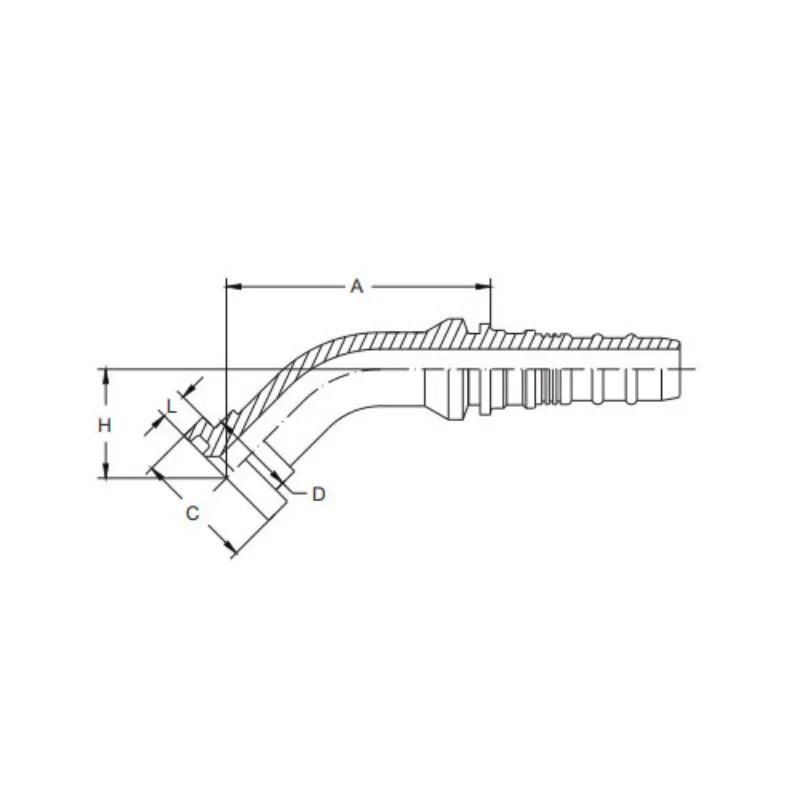
Wire spiral hoses have become indispensable in modern industrial and commercial applications due to their flexibility, durability, and resilience under high-pressure conditions. This article explores how these hoses work, their key benefits, applications, maintenance practices, and selection criteria to help businesses make informed purchasing decisions. Wayfong offers premium wire spiral hoses designed to enhance performance and safety in demanding environments.
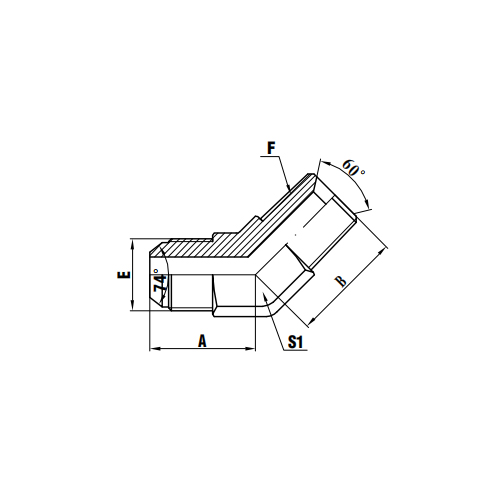
JIC hydraulic adapters are crucial components in hydraulic systems, providing reliable connections, preventing leaks, and enhancing system efficiency. This article explores what JIC adapters are, how they function, and why they are essential for both industrial and mobile hydraulic applications. By understanding their design, usage, and benefits, users can make informed decisions to optimize their hydraulic systems.
We use cookies to offer you a better browsing experience, analyze site traffic and personalize content. By using this site, you agree to our use of cookies. Privacy Policy


 22 2026-09
 28 2026-08
 30 2026-06
 21 2026-05
 13 2026-05