Summary: JIC hydraulic adapters are critical components in hydraulic systems, ensuring reliable fluid connections and leak-free operations. This article explores how JIC adapters function, their benefits, installation considerations, and troubleshooting tips, aiming to provide clarity for engineers, technicians, and buyers seeking durable hydraulic solutions.
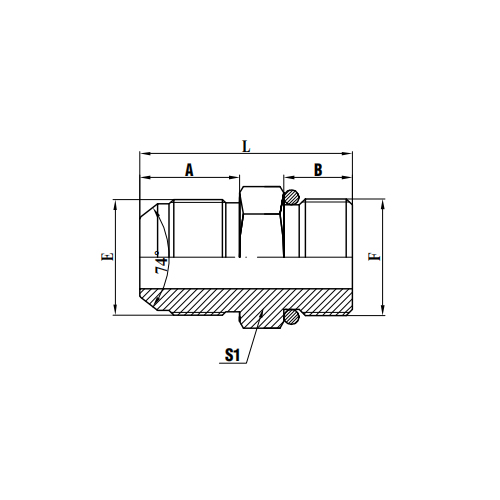
JIC hydraulic adapters, standardized by the Joint Industry Council (JIC), are widely used in hydraulic systems for connecting hoses, tubes, and pipes. They are recognized for their 37-degree flare seating, which ensures a secure, leak-free connection under high-pressure conditions. These adapters are suitable for a wide range of hydraulic applications, including industrial machinery, agricultural equipment, and mobile hydraulics.
Understanding the types of JIC adapters is essential for selecting the correct component for your system. Different applications may require specific materials, sizes, and thread configurations.
| Type | Material | Pressure Rating | Typical Application |
|---|---|---|---|
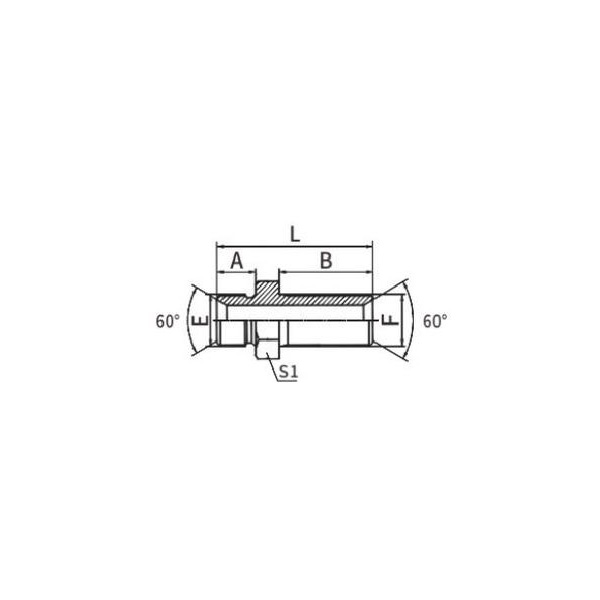
| Straight JIC Adapter | Carbon Steel | Up to 6000 psi | General industrial hydraulics |
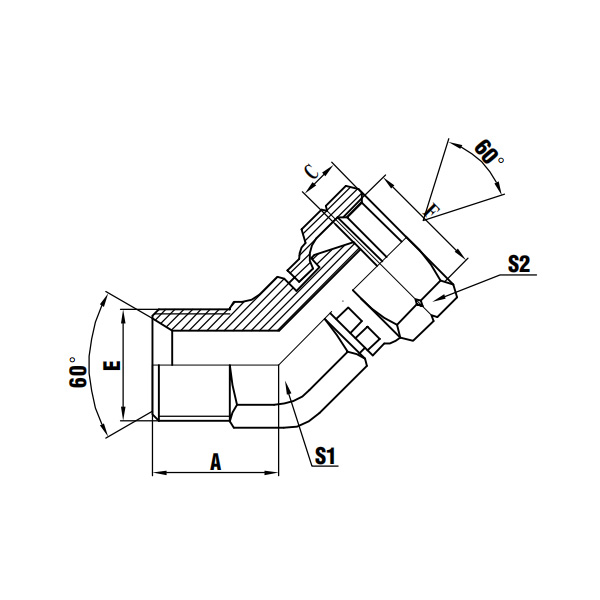
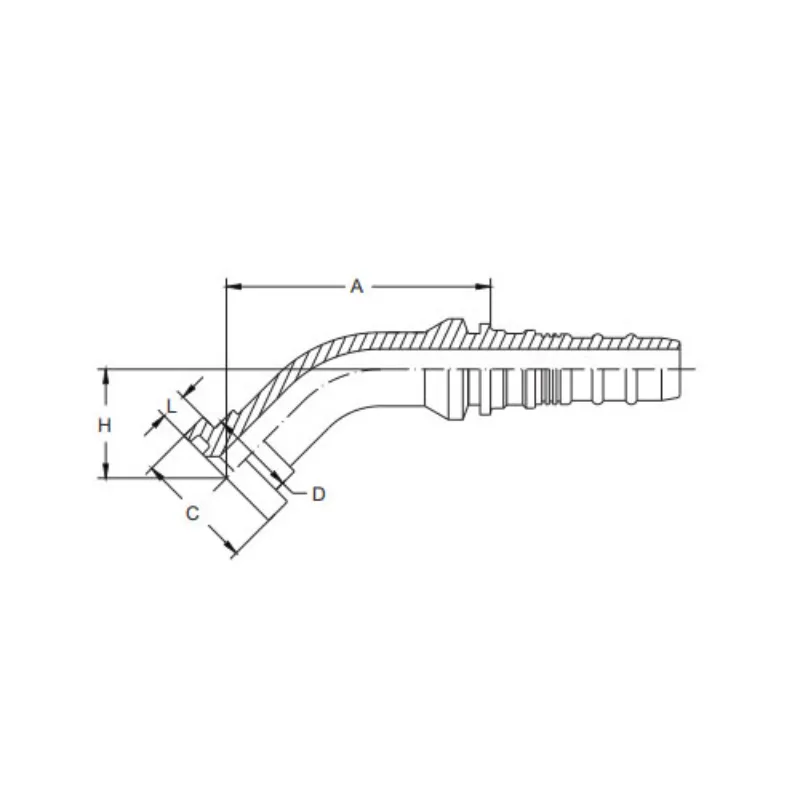
| Elbow JIC Adapter (45° / 90°) | Stainless Steel | Up to 5000 psi | Space-constrained hydraulic routing |
| Female to Female JIC Adapter | Brass or Steel | Up to 4000 psi | Connecting hoses of different sizes |
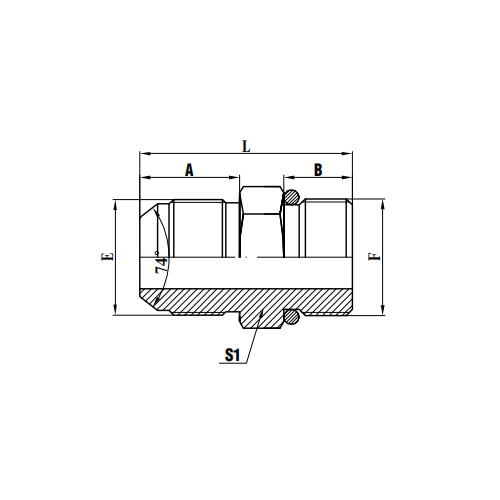
| Male to Male JIC Adapter | Carbon Steel | Up to 6000 psi | Extending hydraulic lines |
Proper installation of JIC hydraulic adapters is crucial for system performance and leak prevention. Follow these steps:
Using calibrated torque tools ensures consistent performance and reduces the risk of system failure due to improper installation.
Despite their reliability, JIC adapters can encounter issues. Common problems include:
Regular maintenance ensures long-term reliability of JIC hydraulic adapters. Key practices include:
Consistent maintenance reduces downtime and prevents costly hydraulic system failures.
Q1: How do I select the right JIC adapter for my system?
A1: Match the material, thread type, size, and pressure rating to your hydraulic system requirements. Consider environmental factors such as temperature and exposure to chemicals.
Q2: Can JIC adapters be reused?
A2: They can be reused if inspected for damage and cleaned properly. Replace any adapter that shows signs of wear or thread damage.
Q3: Are JIC adapters compatible with other hydraulic standards?
A3: JIC adapters are specifically designed for 37° flare connections and may not be compatible with SAE, NPT, or BSP fittings without an appropriate transition adapter.
Ningbo WayFong Hydraulic Machinery Co., Ltd. provides high-quality JIC hydraulic adapters suitable for diverse industrial and mobile hydraulic applications. For product inquiries, technical support, or custom solutions, contact us today to ensure your hydraulic systems operate safely and efficiently.