Wire braid hose is a critical component in modern industrial fluid systems, designed to withstand high pressure, temperature fluctuations, and mechanical stress. This article provides a comprehensive analysis of how wire braid hoses function, their structural advantages, application scenarios, and how to select the right product for specific operational requirements. It also addresses common customer concerns such as durability, safety, and cost-effectiveness, offering practical insights for engineers, procurement managers, and system designers.
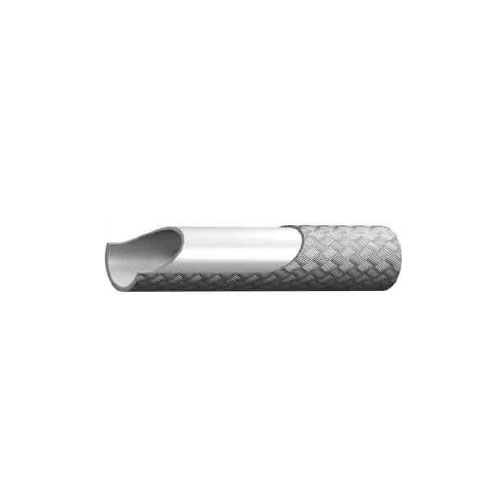
Wire braid hose is a reinforced flexible conduit widely used in hydraulic and pneumatic systems. It consists of an inner tube, one or more layers of braided steel wire reinforcement, and an outer protective cover. Compared to standard rubber hoses, wire braid hoses offer significantly higher pressure resistance and enhanced durability, making them essential in demanding industrial environments.
Industries such as construction, oil and gas, agriculture, and manufacturing rely heavily on these hoses for efficient fluid transfer. Their ability to maintain structural integrity under extreme conditions directly impacts operational safety and system performance.
Understanding the structure of wire braid hose is essential for evaluating its performance. Each layer serves a distinct purpose:
The braided wire layer distributes internal pressure evenly across the hose structure. When fluid flows under high pressure, the braid prevents expansion, ensuring dimensional stability and preventing bursts. This design significantly enhances reliability in high-pressure systems.
These features directly address common customer pain points such as frequent hose failure, downtime, and maintenance costs.
Wire braid hoses are versatile and widely used in various sectors:
Their adaptability makes them a preferred choice for systems requiring consistent performance under pressure.
| Parameter | Description |
|---|---|
| Inner Diameter | 6 mm – 50 mm |
| Working Pressure | Up to 400 bar |
| Temperature Range | -40°C to +120°C |
| Reinforcement Layers | Single or Double Wire Braid |
| Material | Synthetic Rubber + Steel Wire |
| Outer Cover | Abrasion-resistant rubber |
These specifications may vary depending on the manufacturer and specific application requirements.
Selecting the appropriate hose requires careful evaluation of several factors:
Choosing the wrong hose can lead to system inefficiencies, safety hazards, and increased maintenance costs. Professional suppliers like WayFong provide technical support to help customers make accurate selections.
Q1: What is the difference between single and double wire braid hose?
Single wire braid hoses are suitable for medium-pressure applications, while double wire braid hoses provide higher strength and are used in high-pressure systems.
Q2: How long does a wire braid hose typically last?
The lifespan depends on operating conditions, but high-quality hoses can last several years with proper maintenance and usage.
Q3: Can wire braid hoses handle extreme temperatures?
Yes, most wire braid hoses are designed to operate within a wide temperature range, but it is important to verify specifications for specific applications.
Q4: How often should hoses be inspected?
Regular inspections should be conducted based on usage frequency, typically every 3 to 6 months in industrial environments.
Wire braid hose plays a vital role in ensuring efficient, safe, and reliable fluid transfer across multiple industries. Its reinforced structure, high pressure resistance, and durability make it an indispensable component in modern hydraulic systems. By understanding its construction, advantages, and selection criteria, businesses can significantly reduce operational risks and improve system performance.
WayFong is committed to delivering high-quality wire braid hose solutions tailored to diverse industrial needs. With advanced manufacturing processes and strict quality control, WayFong ensures consistent performance and long service life for every product.
If you are looking for reliable wire braid hose solutions to enhance your system efficiency and safety, contact us today to get expert support and customized recommendations.