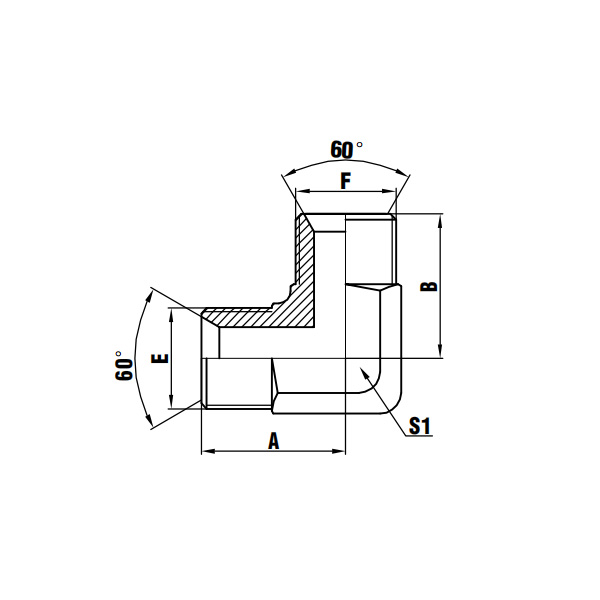
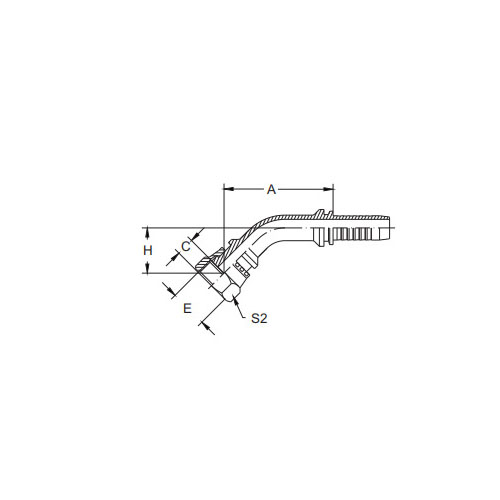
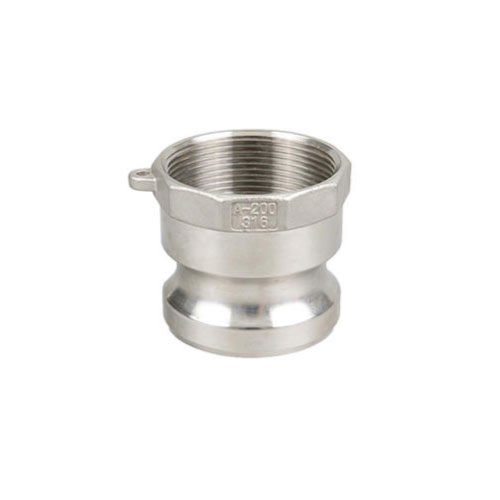
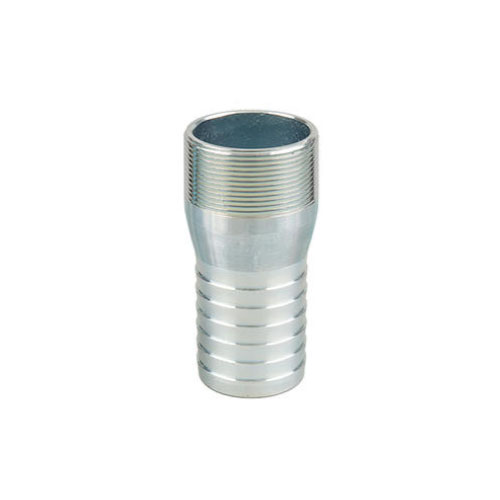
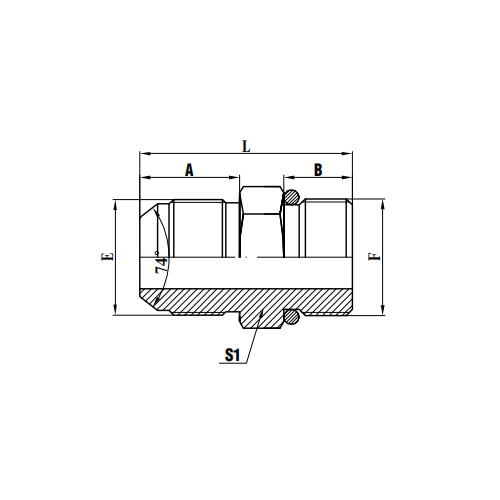
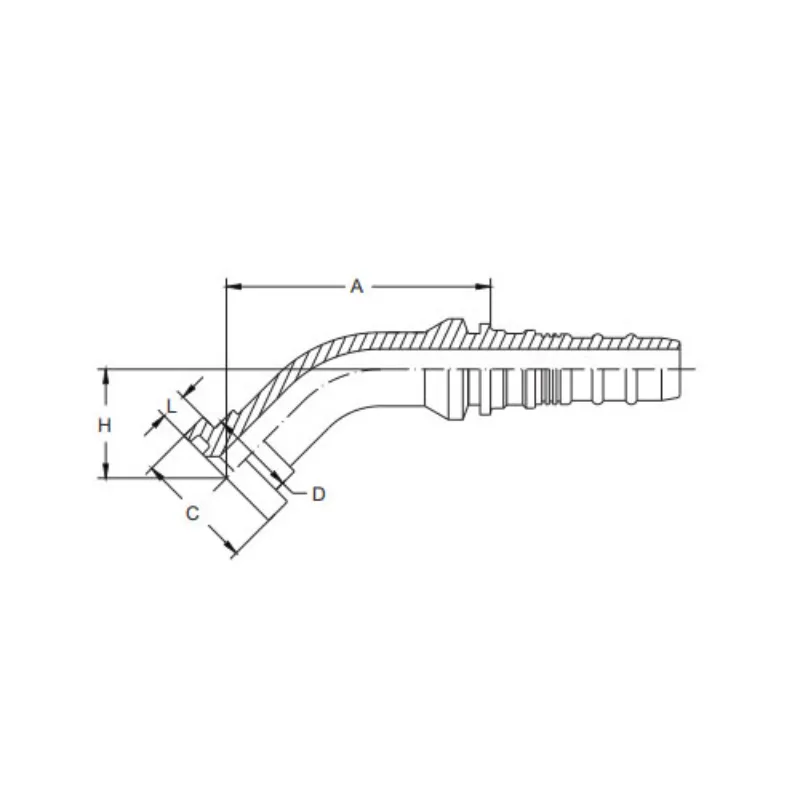
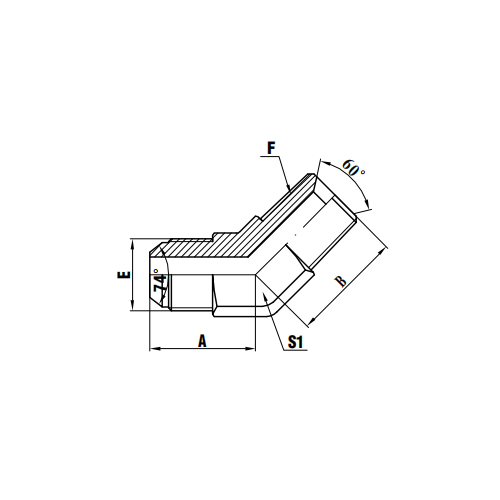
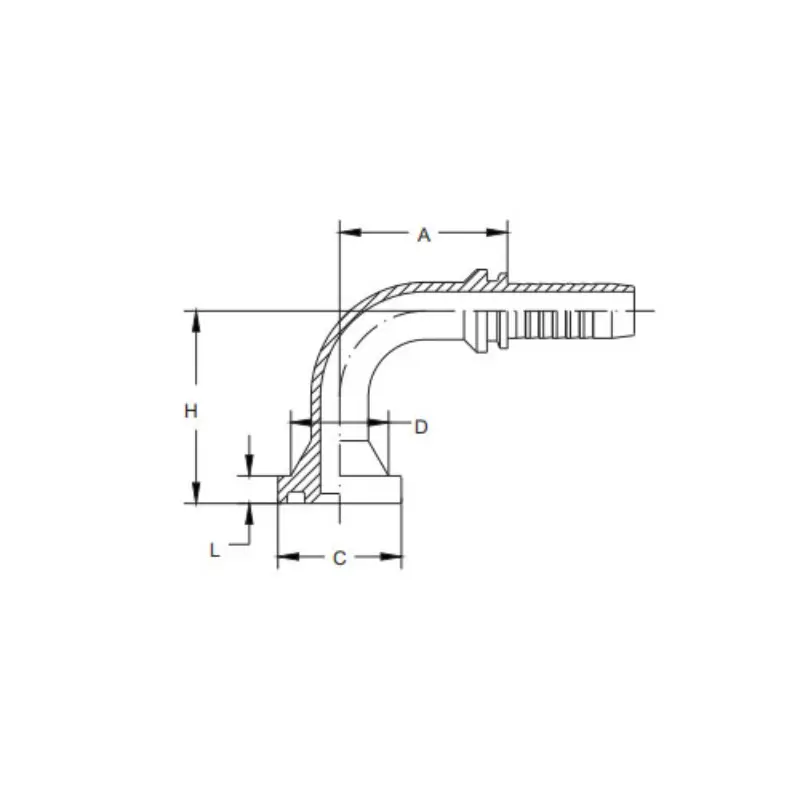
A hydraulic hose fitting serves as the connection point between hoses and various components within a hydraulic system. These fittings ensure fluid is transmitted securely and efficiently under high pressures, enabling machinery across industries such as construction, manufacturing, agriculture, and transportation to operate reliably. This article examines essential aspects of hydraulic hose fittings, including their purpose, types, material considerations, installation tips, and key questions buyers and engineers should consider when selecting fittings for specific applications.

In fluid power systems, hydraulic hose fittings are essential components that connect hoses to pumps, cylinders, valves, and other elements within the circuit. These connections must provide secure, leak-free performance under varying operational pressures and environmental conditions to maintain system reliability and safety. Fittings come in various geometries, connection standards, and materials to suit diverse applications ranging from industrial presses to mobile construction equipment.:contentReference[oaicite:0]{index=0}
The core function of a hydraulic hose fitting is to provide a stable, pressurized union between hoses and components in a hydraulic system. Quality fittings ensure hydraulic fluid flows at required pressures while preventing leakage, hose blow-offs, and pressure loss—issues that can lead to downtime, rapid wear, or safety incidents. Proper sealing and mechanical integrity of fitting interfaces are vital when systems operate under high loads or extreme environments.:contentReference[oaicite:1]{index=1}
Hydraulic hose fittings are categorized by connection style and application design. Knowing these categories helps in matching the right fitting to system requirements.
| Connection Type | Description |
|---|---|
| JIC (37° flare) | Common compression-style connection with reliable sealing suitable for high-pressure systems.:contentReference[oaicite:2]{index=2} |
| ORFS (O-Ring Face Seal) | Fittings with an O-ring providing superior sealing, ideal for preventing leaks in high-pressure applications.:contentReference[oaicite:3]{index=3} |
| NPT (Tapered Threads) | Tapered thread design that forms a mechanical seal; requires careful torque and may need additional sealing materials.:contentReference[oaicite:4]{index=4} |
| BSP (British Standard Pipe) | Used widely outside North America, with different thread profiles compared to NPT standards.:contentReference[oaicite:5]{index=5} |
Other configurations such as elbow, tee, and cross fittings allow directional changes or branching in hydraulic circuits, providing flexibility in system layout.:contentReference[oaicite:6]{index=6}
The choice of material for a hydraulic hose fitting affects durability, corrosion resistance, and temperature tolerance. Materials commonly used include:
Selecting the correct material involves understanding operational pressures, exposure to chemicals or moisture, and the specific fluid type being conveyed. This choice directly influences long-term performance and maintenance cycles.:contentReference[oaicite:12]{index=12}
Choosing an appropriate hydraulic hose fitting is not only about matching thread types. Several factors must be considered to ensure compatibility and system safety:
Q: How do hydraulic hose fittings prevent system leaks?
A: High-quality fittings incorporate precise sealing geometry and materials such as O-rings or flare interfaces that maintain integrity under high-pressure conditions. Proper installation torque and compatibility also influence leak prevention.:contentReference[oaicite:13]{index=13}
Q: Are all hydraulic hose fittings reusable?
A: Not all fittings are reusable. Crimped fittings are permanent and reliable for long-term use, while some reusable fittings allow disassembly for maintenance, though they may require careful handling.:contentReference[oaicite:14]{index=14}
Q: What should be considered when choosing fitting material?
A: Material selection depends on environmental exposure, pressure, fluid chemistry, and temperature. Stainless steel offers superior corrosion resistance, while carbon steel provides strength for heavy-duty systems.:contentReference[oaicite:15]{index=15}
Q: Why are thread standards important?
A: Thread standards like NPT, BSP, and JIC ensure compatibility across components, reliable sealing under pressure, and adherence to regional or industry norms.:contentReference[oaicite:16]{index=16}
Hydraulic hose fittings are indispensable components in fluid power systems. Understanding their types, material choices, and performance characteristics helps engineers and buyers specify the correct fittings for demanding applications. Precision in selection and installation directly impacts system uptime, safety, and efficiency.
Wayfong offers a comprehensive range of hydraulic hose fittings designed to meet diverse industrial requirements with a focus on durability and performance. For tailored solutions and support with specific system needs, feel free to contact us to discuss your project requirements and receive expert guidance on matching the right fittings to your application.